

EPA launches WRAP 2.0 water reuse initiative
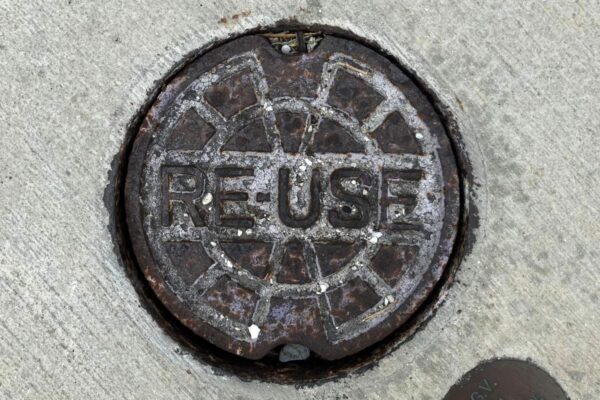
In April, U.S. Environmental Protection Agency (EPA) Administrator Lee Zeldin launched the Water Reuse Action Plan (WRAP) 2.0, a revamped effort from the first Trump administration to accelerate water reuse in the United States.
In 2020, the first Trump Administration launched WRAP in partnership with key water sector stakeholders as a first-of-its-kind collaborative effort. At that time, WRAP included 37 strategic actions, with 86 partners making over 100 commitments via a public docket to accelerate the adoption of water reuse.
Today, 200 partners are working on 76 actions. Additionally, over 200 resources have been developed for the water reuse industry and the interagency coordination embodied in the WRAP is now codified into federal law.
Reaction
Zeldin announced WRAP 2.0 at an event in April at EPA Headquarters alongside EPA Deputy Administrator David Fotouhi, EPA Assistant Administrator for Water Jessica Kramer, administration officials, Members of Congress, and key industry stakeholders.
“The Trump EPA is proving every day that protecting the environment and growing the economy go hand in hand,” said Zeldin. “Water reuse has never been more important. WRAP 2.0 builds on the strong foundation established during President Trump’s first term and unleashes the power of American ingenuity to advance prosperity and make America the global AI leader, while supporting public health, strengthening water resources, and Making America Healthy Again.”
“With President Trump’s leadership, the Water Reuse Action Plan 2.0 revitalizes successful partnerships and collaboration to accelerate water reuse in the United States,” said Council on Environmental Quality Chairman Katherine Scarlett. “Through this plan, the Trump administration will help provide Americans access to clean and safe drinking water while promoting job growth and innovation.”
“Water reuse supports American prosperity while protecting water resources for communities across the country,” said Kramer. “I am thrilled that WRAP 2.0 is bringing together a unique group of public and private leaders from American industry, technology companies, the energy sector, the water sector, and government. By working together to strategically reuse water for specific purposes, WRAP 2.0 will multiply water’s benefits to deliver innovative solutions for all Americans.”
Not a Federal Mandate
WRAP 2.0 is not a federal regulatory mandate. EPA said the agency and its federal partners recognize that states and local leaders understand their water resources and needs best. Instead, the initiative will lean on collaborative partnerships to advance reuse that strengthens key sectors of the U.S. economy.
WRAP 2.0 highlights water reuse strategies already underway, introduces new federal commitments, and charts a course for transformational progress over the next decade. WRAP 2.0 is organized around three high-impact initiatives:
- Supporting Reuse for Resurgent Domestic Industry– Component fabrication (e.g., bottles and batteries), finished products (e.g., food and beverage products, cars, and trucks), and agricultural production.
- Water for the U.S. Technology Revolution– Microchip and memory fabrication and data center cooling.
- Unleashing American Energy Dominance– Electricity generation and energy development.
EPA said cooperative federalism is a hallmark of the Trump administration. Under WRAP 2.0, the agency said it will continue to enhance coordination and collaboration with state and federal partners to support the implementation of water reuse within existing regulatory authorities of the Clean Water Act, Safe Drinking Water Act, Food Safety Modernization Act, and Food Drug & Cosmetic Act for alternative sources of water and end-use applications.
Learn more about Water Reuse Action Plan 2.0.
Interested in Partnering with EPA on Water Reuse?
Source: U.S. EPA
The post EPA launches WRAP 2.0 water reuse initiative appeared first on Water Finance & Management.